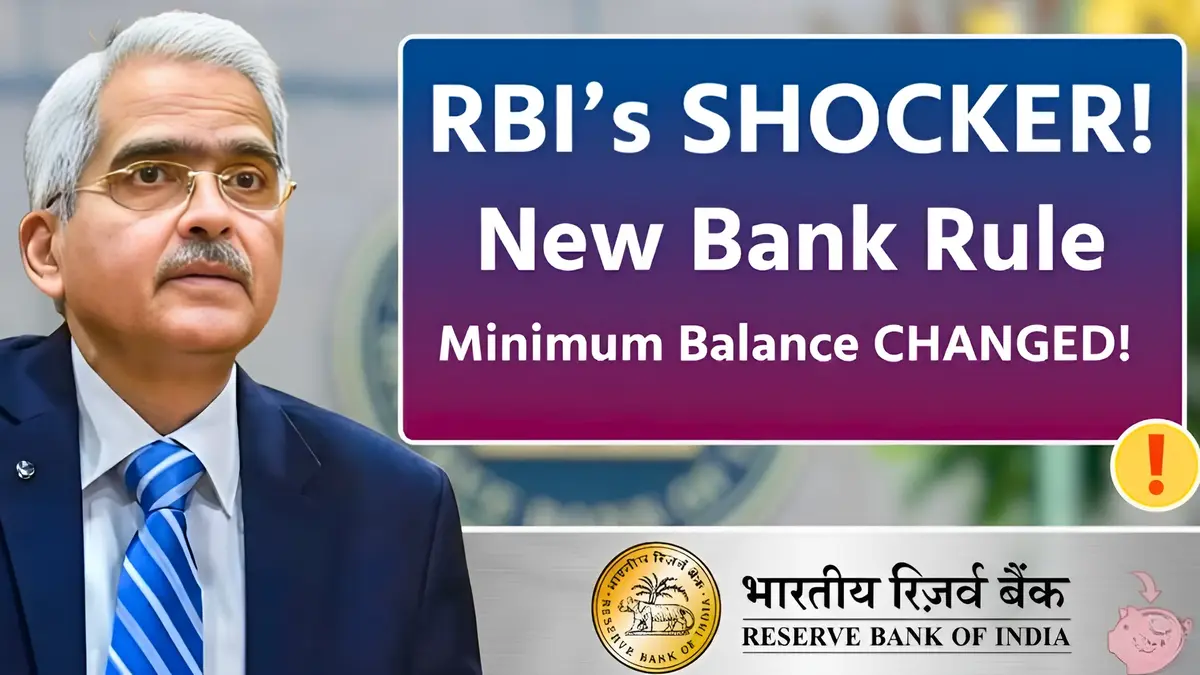
RBI 2026 Update: Banking in 2026 is changing, and account holders need to stay alert. The Reserve Bank of India has introduced updated minimum balance rules that could affect everyone—from regular salary accounts to students’ savings accounts. Missing these requirements can now result in penalties more quickly than before. Staying informed about your account obligations ensures you avoid unnecessary charges and manage your money more efficiently.
Minimum Balance Rules Are Getting Stricter
RBI’s new guidelines clearly define how much balance each account type must maintain. Urban branches typically require higher balances, while semi-urban and rural branches have slightly lower limits. These changes mean account holders can no longer rely on previous leniency. Keeping track of your account balance daily is now more important than ever to prevent unexpected penalties and maintain smooth banking operations.
Penalties Are Clear and Transparent
Banks must now inform customers about any penalties before imposing them. Notifications via SMS, email, or banking apps are mandatory, ensuring no surprises at the end of the month. Earlier, many account holders faced hidden charges. This transparency allows you to plan deposits ahead and ensures that maintaining your account is straightforward and stress-free.
Zero-Balance Accounts Face New Rules
Even accounts that were traditionally zero-balance are not completely exempt. Certain conditions now apply to student accounts, senior citizen accounts, and government scheme accounts. Inactive accounts may attract charges or even face closure after a period of inactivity. These rules encourage customers to keep accounts active while giving banks a more efficient way to manage accounts.
Location Impacts Minimum Balance
Your branch location now directly affects minimum balance requirements. Urban accounts may have higher thresholds, while rural branches can be more lenient. Customers should verify their branch classification to understand exact obligations. Knowing your branch rules helps prevent unexpected fees and ensures compliance with RBI’s latest standards.
Digital Alerts Keep You Updated
Mobile banking apps and SMS notifications now provide timely alerts when your balance approaches the minimum threshold. This technology allows you to transfer funds or adjust spending proactively. Staying connected digitally helps account holders avoid penalties and manage their finances effectively without constant manual checking.
Fee Structure Is Standardized
Banks must clearly outline charges for failing to maintain the required balance. Some banks may offer grace periods, while others impose daily or monthly fees. Understanding these details helps account holders plan deposits and withdrawals more efficiently. Transparency ensures you know exactly how fees are applied and prevents financial surprises.
Financial Planning Needs Adjustment
The new rules affect everyday financial management. Account holders need to plan monthly budgets carefully and monitor account activity regularly. Those with multiple accounts must be extra vigilant, as penalties can accumulate across accounts. Smart planning ensures compliance with the rules and avoids unnecessary deductions from your savings.
Immediate Steps for Account Holders
If your account often dips near zero, now is the time to act. Review statements, set automatic transfers, and ensure balances stay above the required threshold. Proactive account management prevents penalties and keeps your banking experience smooth and stress-free. Regular monitoring of your account is now a key part of smart financial habits.
Staying Ahead With RBI Guidelines
The 2026 updates aim to make banking more transparent and accountable. By following the new minimum balance rules, customers can avoid fees, protect their funds, and enjoy hassle-free banking. Staying informed and taking proactive steps ensures your account remains in good standing while giving you peace of mind in managing money efficiently.
